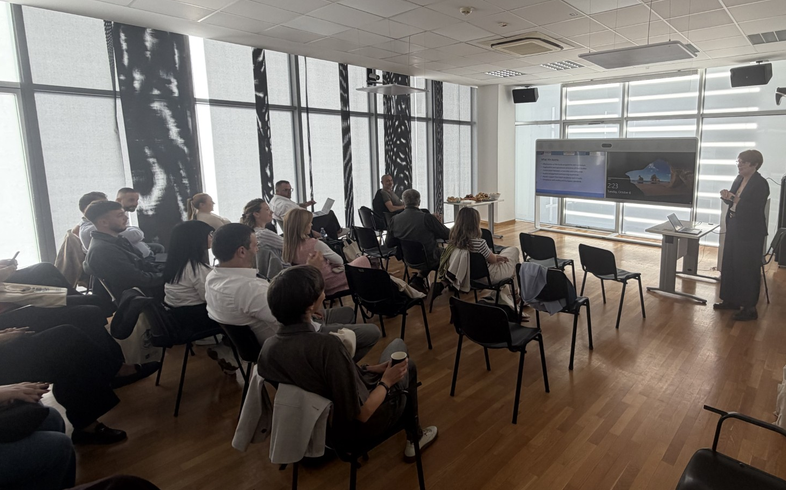
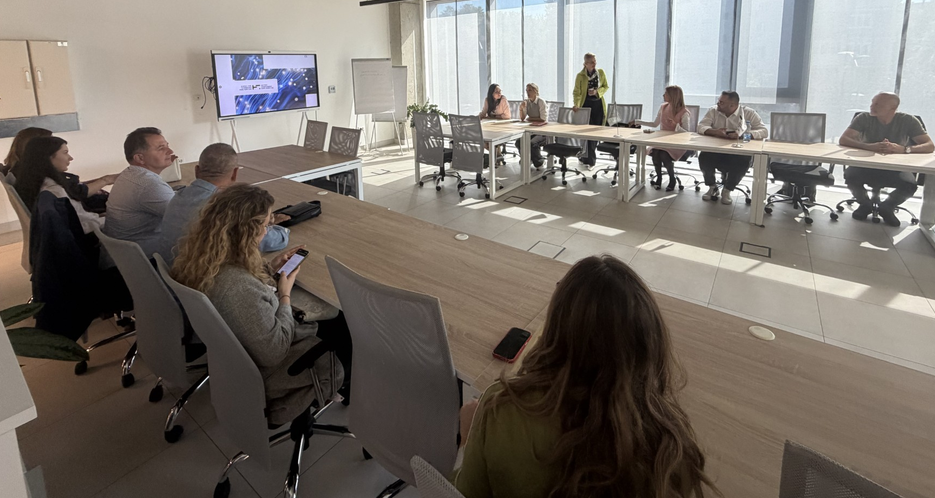
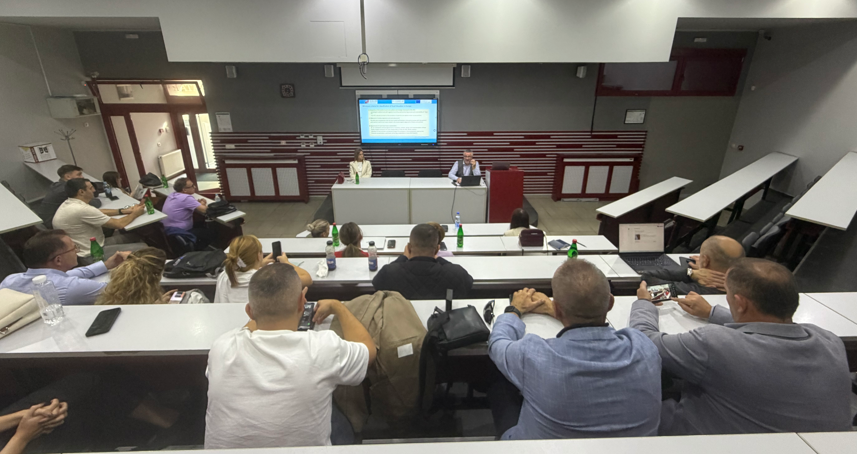
From 6 to 8 October 2026, the University of Novi Sad and the University Business Academy in Serbia hosted a study visit and partner meeting within the DUALBA project.
The main objective of the study visit was to exchange knowledge and experiences in the field of dual higher education, with a particular focus on analysing existing systems and the legal and strategic frameworks for their implementation, while identifying key challenges and opportunities for the further application of dual higher education in Albania.
The first day included the fifth meeting of the Project Steering Committee, during which the partners reviewed the progress made in project implementation to date, focusing on the development of the Legal and Strategic Framework for the Implementation of Dual Higher Education. The partners also discussed the timeline for preparing the pilot testing of the generic DUALBA model in the Albanian higher education sector.
The programme continued with a study visit to the Science and Technology Park Novi Sad, where participants learned about the park’s research capacities and explored examples of successful collaboration between research institutions, academia, and industry. These included the “Zalet” programme, which supports students and young people in developing entrepreneurial ideas and launching startups, a panel discussion entitled “Synergy between Science and Industry”, and the ParkUP programme, “From Research to Market”.
The day continued with a presentation of Serbia’s successful experience in dual education through the DualEDU project. Representatives of FH JOANNEUM University of Applied Sciences in Graz, Austria, discussed the gap between higher education and industry, as well as the minimum criteria for classifying dual education programmes in Europe. They also provided an overview of the current state of dual education in Austria and across Europe.
The second day focused on the presentation of the general Dual Higher Education model by FH JOANNEUM University of Applied Sciences in Graz, which has more than 20 years of experience in this field. The presentation included examples of good practice in piloting dual study programmes, including different models for structuring the alternation between academic study and practical training, providing valuable insights for the Albanian partners. The legal framework for dual higher education was also presented by the Faculty of Law for Commerce and Judiciary of the University Business Academy in Novi Sad. The presentations were followed by a discussion among the project partners.
The final day was dedicated to the presentation of the Comparative Analysis of Dual Education Systems in the Balkan Countries by the University of Novi Sad. This was followed by a discussion of the main findings and the next steps to be taken in line with the conclusions. The meeting concluded with a feedback session and closing remarks by representatives of the host institutions.
Overall, the study visit was productive and provided the partners with a valuable opportunity to exchange knowledge and experiences, further strengthen their cooperation, and coordinate activities planned for the next phase of project implementation.